















The skies over Africa are undergoing a powerful transformation, and Ethiopian Airlines is playing a major role in it. For decades, this carrier has been the gold standard for African aviation, and as of April 2026, the ‘Lion of Africa’ is reshaping air travel on the continent.
Ethiopian Airlines is currently the largest airline in Africa. In 2026, the company is taking two major steps to grow further. First, they are adding more Boeing 787-9 Dreamliner aircraft to their fleet. Second, they have begun building a massive new airport in the city of Bishoftu. This blog highlights all the latest updates on the Ethiopian Airlines New Dreamliners and the continent’s mega-airports, and how these changes will affect travel in Africa and the rest of the world.
Meet the New Dreamliner Fleet
“Converting the options of six Boeing 787-9 Dreamliner airplanes into a firm order is truly a proud moment for us,” said Ethiopian Airlines Group CEO, Mr. Mesfin Tasew. “The order shows Ethiopian Airlines’ sustainable growth and preparation for further achievements. Growing our fleet size with ultra-modern airplanes such as the Boeing 787-9 Dreamliner, we are further maintaining operational excellence and passengers’ comfort.”
In April 2026, Ethiopian Airlines confirmed that they are buying six Boeing 787-9 Dreamliner planes. The airline already uses many Dreamliners, but with these new additions, it will make their fleet even stronger.
Why are Dreamliners Game Changers?
The Boeing 787-9 is a modern aircraft that offers several benefits to airlines and passengers alike.
- Better Fuel Efficiency – This plane uses 25% less fuel than older planes of the same size. This helps the airline save money and reduces the amount of pollution released into the air.
- Long-Distance Travel – The Dreamliners can fly very long distances without stopping for fuel. This allows the airline to connect Addis Ababa directly to faraway U.S. cities and Asia.
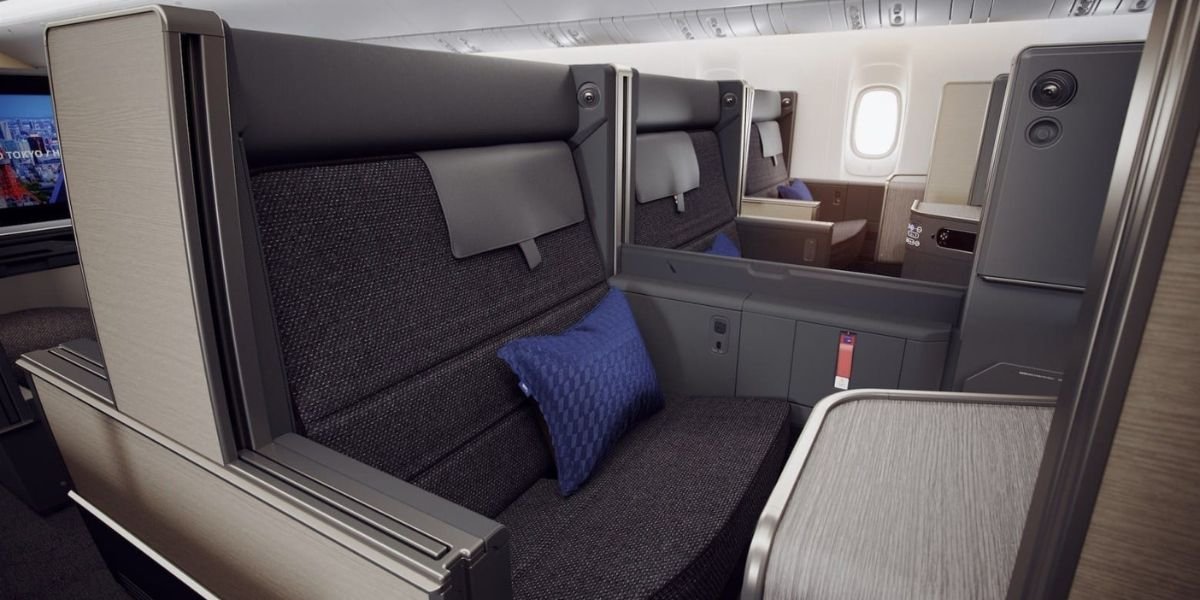
- Passenger Comfort – The windows on this plane are larger than usual. The air inside the cabin is also more humid and pressurized at a lower level. This helps passengers feel less tired and reduces ‘jet lag’ after a long flight.
- Cargo Space – In addition to carrying passengers, the plane has ample space underneath for shipping goods. This is important for airlines’ cargo business.
Africa’s Largest Airport Project Unveiled
“The new airport will have a capacity of 60 million passengers with all the latest ultramodern facilities,” Tasew said. “We want this airport to be the Dubai of Africa, or the Istanbul of Africa.”
The biggest news is the construction of the Bishoftu International Airport. Construction began on January 10th, 2026. This project is one of the most expensive projects in Africa’s history. The main airport, Bole International Airport in Addis Ababa, is becoming increasingly crowded. Despite its modern facilities, it appears insufficient to accommodate the 200 planes the airline plans to have by 2035.
Facts About the New Airport Project
“We are very happy with the response from US financial institutions,” Tasew said. “Several of them have expressed interest in participating.“
The project is very large and will be completed in different stages. Here are the main details.
- Total Cost – The project will cost approximately $12.5 billion.
- Passenger Capacity – When the first phase is completed in 2030, the airport will be able to handle 60 million passengers per year; once the project is completed, it will handle 110 million passengers per year.
- Size – It will be the largest airport in Africa.
- Modern Facilities – The airport will include state-of-the-art terminals, large aircraft parking areas (approximately 270 planes), and its own fast transport links to the city of Addis Ababa.
- The new aircraft deliveries are scheduled to start in 2028, facilitating the airline’s expansion on long-haul routes to Africa, the US, Europe, and Asia.
How does this affect Africa and the World?
“There are mature routes we need,” He mentioned, including locations in Africa where Ethiopian Airlines aims to operate larger aircraft. “There are routes that we wanted to fly, but we couldn’t do because of the shortage of airplanes, like Australia.”
Travel across Africa was once challenging, often requiring flights to Europe before reaching the target country. Ethiopian Airlines has changed this by establishing Addis Ababa as a central hub, allowing travelers from across Africa to connect more efficiently. This hub-and-spoke model has significantly reduced travel time and costs across the continent.
Economic Impact Across the Region
The expansion of the airline and the construction of the new airline will create a massive economic boost for Ethiopia and its neighbors.
- Job Creation: Building a $12.5 billion airport requires thousands of construction workers, engineers, and architects. Once the airport is open, it will need thousands more employees, including security staff, shop workers, and technicians.
- Tourism: A better airport makes it easier for people to visit Ethiopia’s famous historical sites. More tourists mean more money for local hotels, restaurants, and local guides.
- Trade: A larger cargo capacity of the new Dreamliners will help Ethiopian businesses sell their products to International markets faster and more reliably.
How will this improve the Passenger Experience?
For travelers, these changes mean a much better experience, as travel will be faster and less stressful.
- Self-Service Check-in: New terminals will use advanced digital systems, allowing passengers to check in and drop off their bags without waiting in long lines.
- Better Cabin Features: Inside the new Dreamliners, the air is more humid, and the cabin pressure is better, which reduces the feeling of ‘Jet Lag’.
- Faster Connection: The new airport’s layout is designed to allow quick transfers between flights.
Challengers Facing the Expansion Plans
While the plan is very big, there are some challenges that the airline must manage –
- High Cost – Building a $12.5 billion airport requires a lot of money. The airline and the government must ensure they repay any loans used for the project.
- Competition: Other airlines in the Middle East and Europe also aim to carry passengers from Africa. European airlines need to maintain low prices and high service quality to remain competitive.
- Construction Time: A large project like this can sometimes take longer than planned. It will take many years to complete all the stages of the new airport.
Conclusion
Ethiopian Airlines revealing of new Dreamliners and the Continent’s Mega-Airport is a significant event for global aviation. By ordering more Boeing 787-9 Dreamliners, the airline is ensuring it has the best technology to fly long distances efficiently. By building the new Bishoftu Mega-Airport, they are addressing the physical and geographic limitations of their current base.
By 2035, Ethiopia will likely have one of the most modern aviation systems in the world. This will make it easier for people to travel and connect Africa with major cities.
FAQs
The airline ordered six additional Boeing 787-9 Dreamliners. These are modern, fuel-efficient planes.
The project is estimated to cost approximately $12.5 billion. It is funded by the government and international partnerships.
The new airport is being built in the city of Bishoftu, about 40 kilometers from Addis Ababa.
The first phase can accommodate 60 million passengers and, once completed, will handle 110 million annually.
The Dreamliner offers excellent operating performance, impressive range, and a comfortable cockpit design, making it particularly ideal for modern long-haul journeys.
Related Posts


